Caregiver Burnout Is a Medical Issue, Not a Personal Shortcoming
Last updated: January 14, 2026
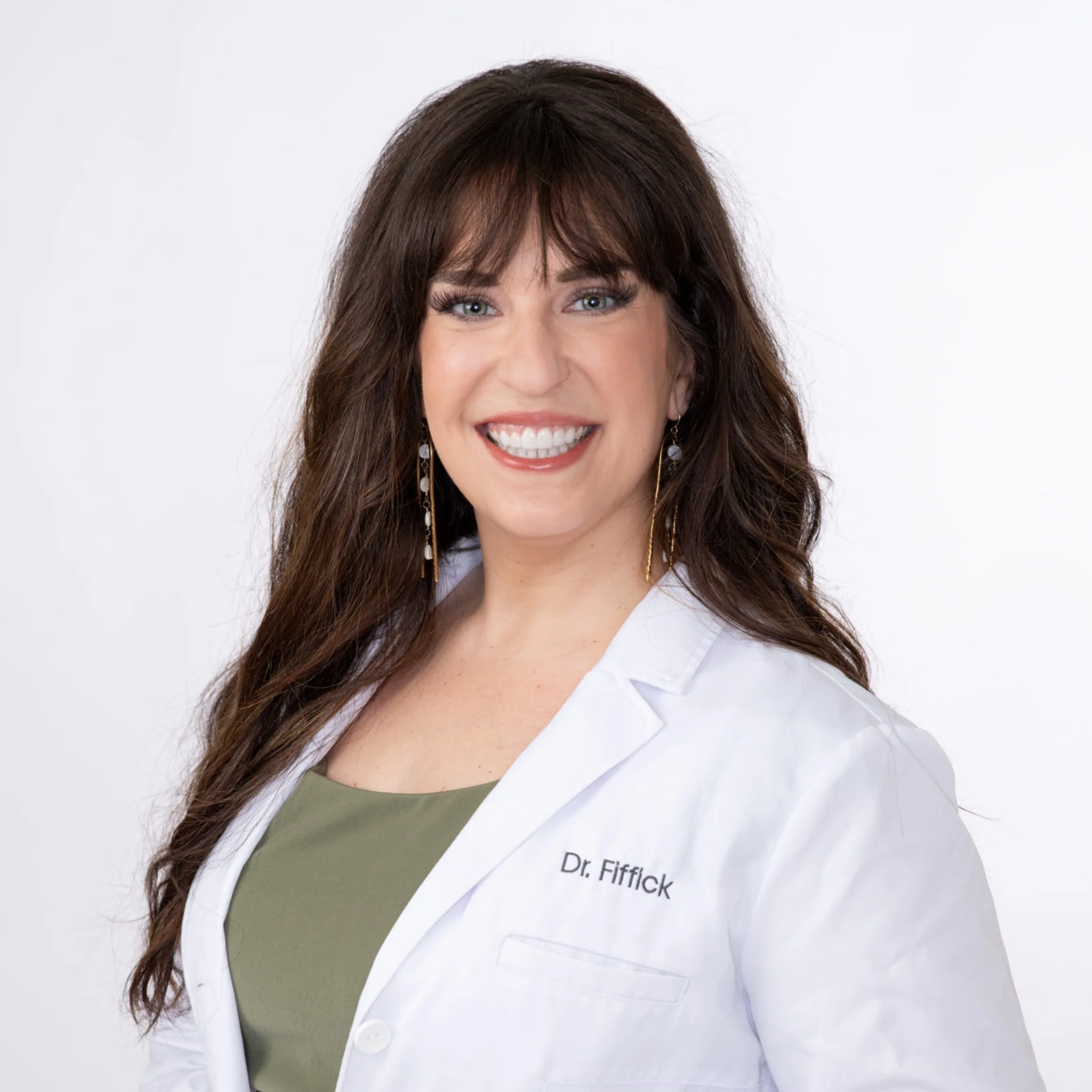
Written by the Concierge Medicine of Westlake care team · Medically reviewed by Alexa Fiffick, DO, MBS, MSCP
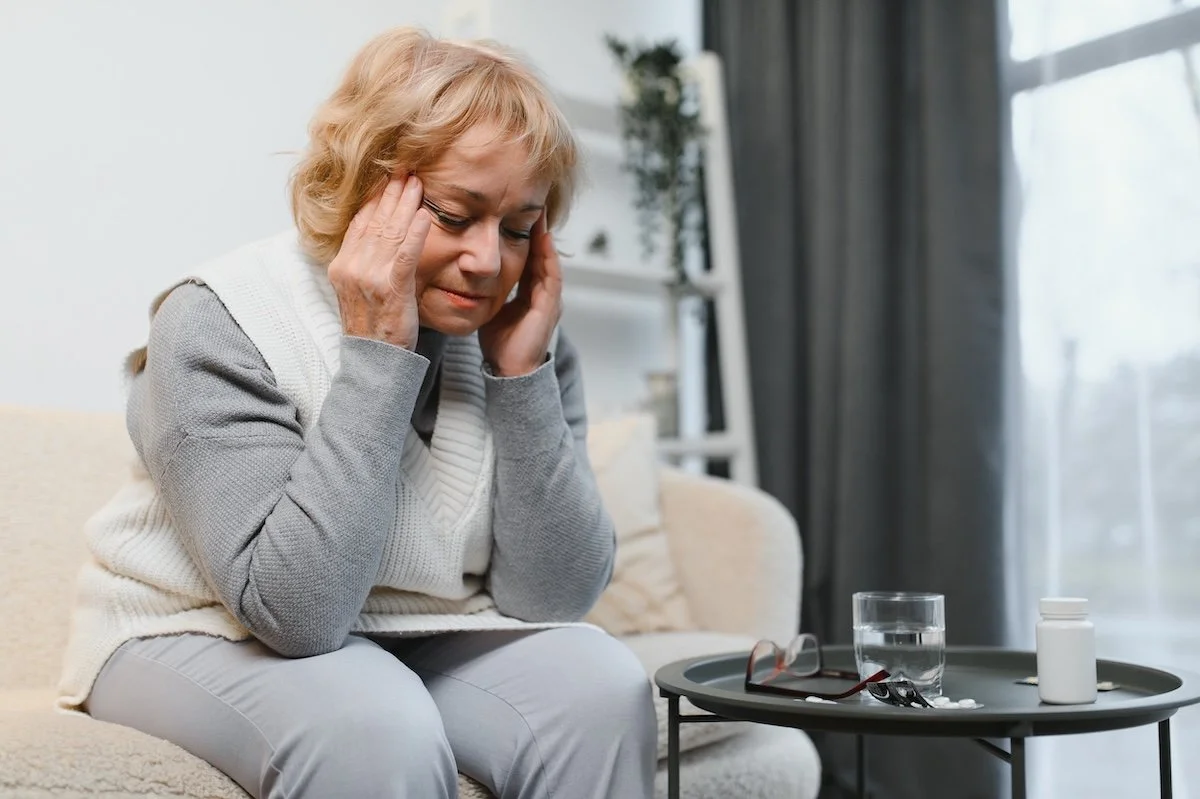
If you are reading this in stolen moments between appointments, phone calls, and caregiving responsibilities, know this first: what you are feeling is real, and it is not a reflection of failure. Caregiver burnout affects more than half of individuals caring for loved ones, and decades of medical research confirm it is a serious health condition, not a lapse in resilience or strength.
Studies published in JAMA show that caregivers experiencing prolonged emotional strain have a 63 percent higher risk of mortality compared to non-caregivers. This is not because caregivers are doing something wrong. It is because chronic stress changes the body in measurable and dangerous ways. Exhaustion is not a moral weakness. It is your body asking for care.
At Concierge Medicine of Westlake, Dr. Alexa Fiffick sees firsthand how often caregivers delay their own health needs while managing the needs of everyone else. Over time, that delay can become a medical crisis.
When Stress Stops Being “Normal” and Starts Becoming Dangerous
Caregiver burnout often disguises itself as everyday tiredness. Many people push through symptoms for months or even years without realizing their health is deteriorating.
Clinical research from the Cleveland Clinic shows that common physical warning signs include fatigue that does not improve with rest, frequent infections, disrupted sleep, appetite changes, and unexplained weight shifts. Emotionally, caregivers may notice irritability, withdrawal from relationships, difficulty focusing, or a loss of interest in activities they once enjoyed.
Johns Hopkins Medicine identifies several underlying contributors to these symptoms, including constant emotional demand, unclear role expectations, competing responsibilities, overwhelming workloads, and a complete lack of personal downtime. When these pressures persist, the body shifts into survival mode and never fully exits it.
Recognizing burnout as a medical condition matters. It reframes the experience from “I should be handling this better” to “my body is under sustained physiological stress and needs intervention.”
Why Caregivers Put Their Own Health Last
Caregivers are among the most health-conscious people when it comes to others, yet studies show that many delay or skip their own medical appointments. The reasons are understandable but dangerous.
Guilt plays a powerful role. Many caregivers feel selfish prioritizing their own care when a loved one is ill. That guilt activates stress hormones, further increasing inflammation and immune suppression. Time constraints compound the issue. Between caregiving duties, work, family responsibilities, and logistics, scheduling a doctor visit can feel impossible.
Financial anxiety also contributes. When medical costs for a loved one pile up, caregivers often deprioritize preventive care for themselves, creating a cycle where minor issues escalate into emergencies.
The result is not neglect by choice, but a healthcare system that does not accommodate the realities of caregiving.
The Biological Toll of Long-Term Caregiving Stress
Chronic caregiver stress produces changes in the body that are measurable at the cellular level. A meta-analysis of 30 studies involving nearly 2,000 caregivers demonstrated significant immune suppression and elevated inflammatory markers. Over time, this increases vulnerability to infections, slows healing, and reduces vaccine effectiveness.
Cardiovascular risk also rises. Sustained elevation of stress hormones damages blood vessels, raises blood pressure, and increases the likelihood of heart attack and stroke. Research shows that spousal caregivers, in particular, experience substantially higher rates of heart disease.
Mental health effects are equally serious. Chronic caregiving stress increases the risk of clinical depression by 50 percent and anxiety disorders by 60 percent. These are not personality traits. They are predictable neurochemical responses to prolonged overload.
Even aging accelerates. Studies measuring telomere length show that caregivers experience faster cellular aging, meaning the stress of caregiving can shorten lifespan over time.
This is not about trying harder. Biology does not respond to willpower. It responds to care.
How Concierge Primary Care in Westlake Supports Caregivers
Traditional healthcare often fails caregivers by requiring long waits, rushed visits, and fragmented communication. Concierge Medicine of Westlake is designed to remove those barriers.
Dr. Alexa Fiffick provides same-day or next-day access so caregivers do not have to choose between their health and their responsibilities. Direct communication allows patients to reach their physician without navigating phone trees or waiting days for callbacks.
Extended appointments create space to address multiple concerns at once, including stress, sleep disruption, hormonal changes, and preventive care. For women navigating perimenopause or menopause alongside caregiving, personalized hormone-aware care is especially important.
Care coordination is another key benefit. Instead of managing referrals and follow-ups alone, caregivers receive support navigating specialists, testing, and treatment plans, reducing mental and logistical burden.
This model acknowledges a simple truth: caregivers need healthcare that adapts to their lives, not the other way around.
Taking Care of Yourself Is Part of Taking Care of Others
Your health is not a luxury. It is a necessity. Caregiving from a depleted body eventually limits the care you can give.
Caregiver burnout is a medical condition with evidence-based solutions. With relationship-based, accessible care, you can protect your health while continuing to support the people who rely on you.
Concierge Medicine of Westlake is here to help caregivers stay well, resilient, and supported.
You don't have to figure this out in a rushed 15-minute visit. At Concierge Medicine of Westlake, Dr. Alexa Fiffick, DO, MBS, MSCP is a board-certified family medicine physician and Menopause Society Certified Practitioner, so the same doctor who manages your hormones also knows your full health history and has the time to connect the dots. See how membership works or schedule a visit. Prefer to talk first? Call 440-797-1871.