
Why Concierge Primary Care Makes a Difference in Menopause Care

Last updated: January 14, 2026
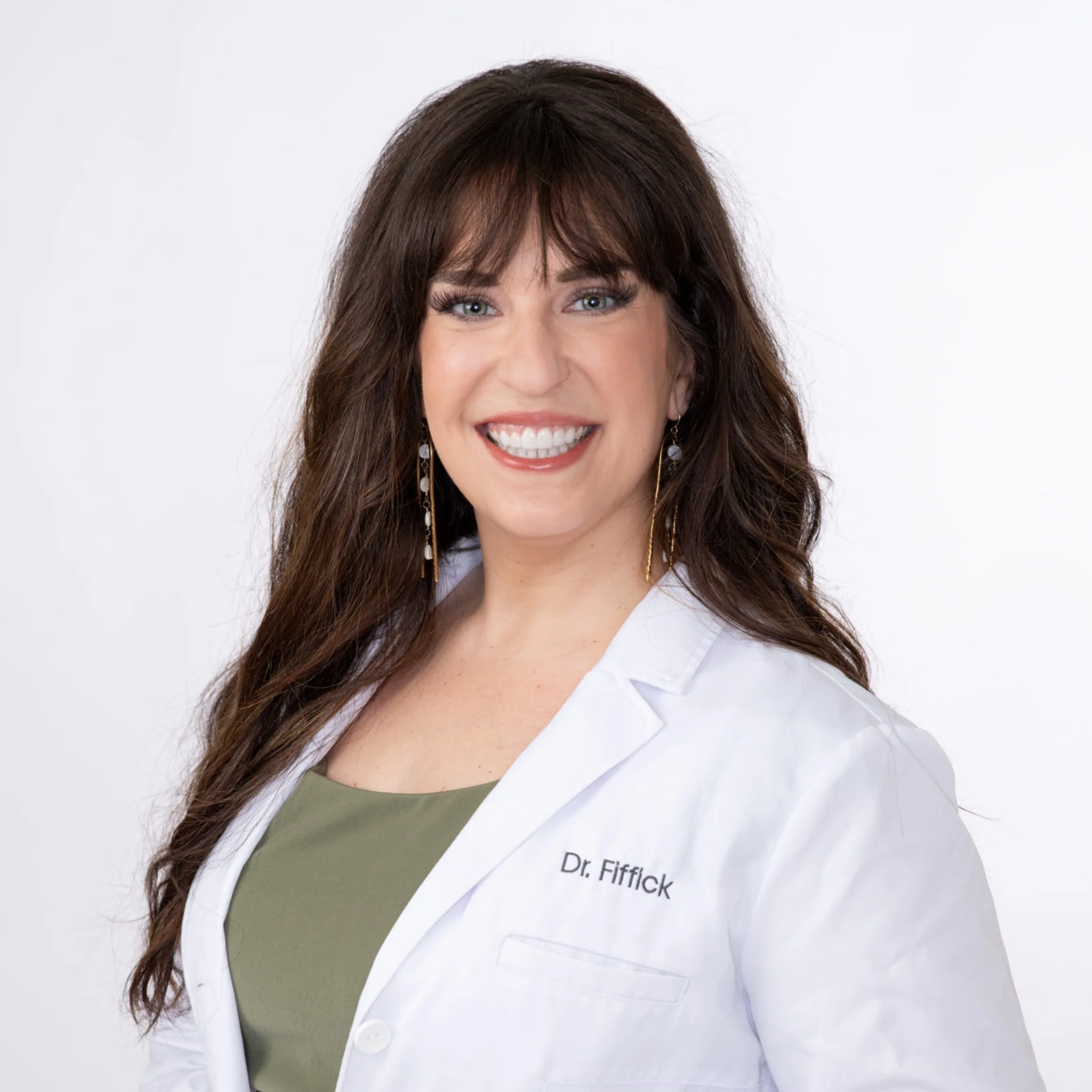
Written by the Concierge Medicine of Westlake care team · Medically reviewed by Alexa Fiffick, DO, MBS, MSCP
If you have ever searched for menopause care and felt overwhelmed or disappointed by your options, you are not alone. Many women discover that traditional healthcare models are not built to support the complexity of menopause. Short appointments, limited follow-up, and symptom-focused care often leave women feeling unheard during a life stage that deserves thoughtful, individualized attention.
Menopause is not a single moment or diagnosis. It is a transition that unfolds over years, affecting physical health, emotional well-being, and overall quality of life. Supporting women through this transition requires more than a quick visit or a standard prescription. It requires time, continuity, and a provider who views menopause care as a partnership.
At Concierge Medicine of Westlake, Dr. Alexa Fiffick approaches menopause care through a concierge primary care model designed to meet women where they are and provide the space needed for meaningful, personalized care.
Menopause Is Not One-Size-Fits-All
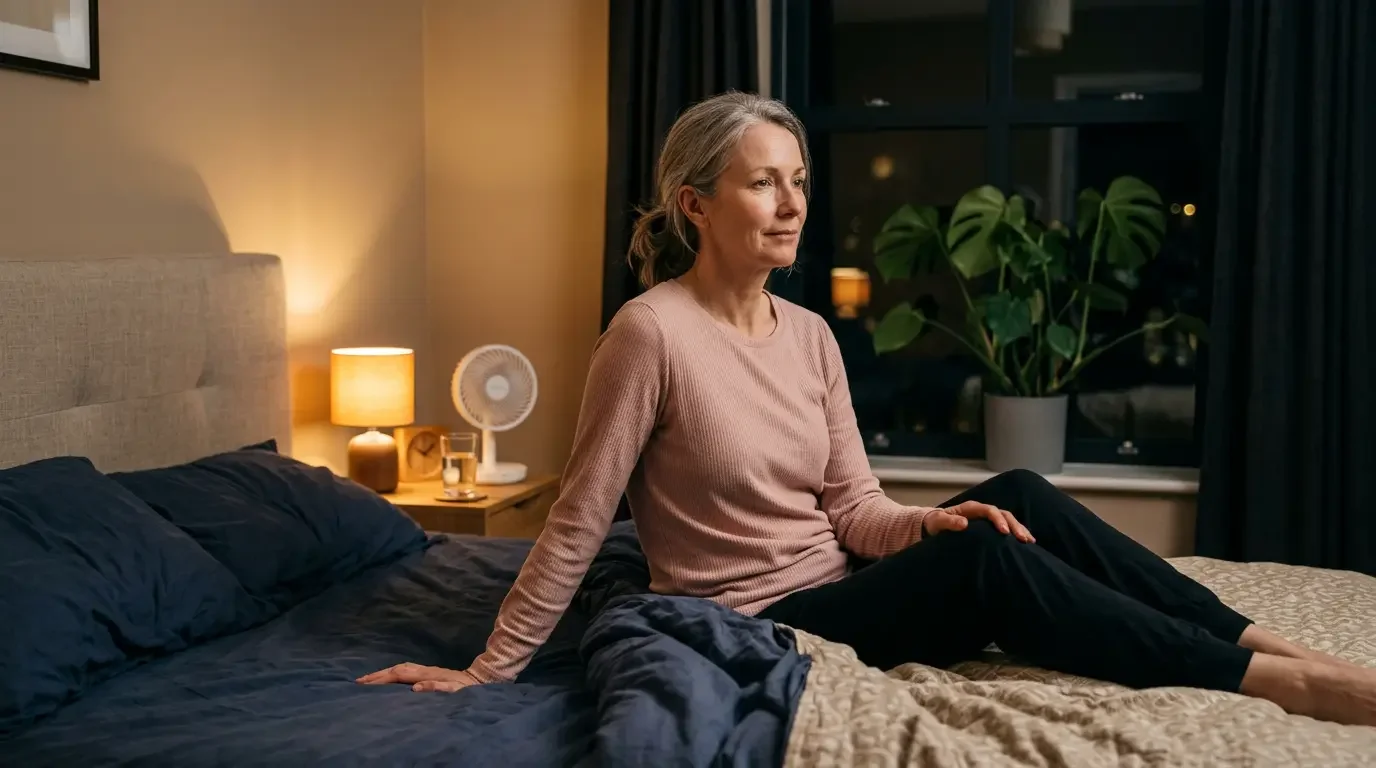
Every woman’s menopause journey looks different. Some experience mild symptoms that come and go, while others deal with persistent hot flashes, sleep disruption, mood changes, brain fog, and physical discomfort that interfere with daily life. The timing, intensity, and combination of symptoms can vary widely from person to person.
Hormonal changes interact with many factors, including medical history, stress levels, lifestyle habits, medications, and genetics. Two women of the same age can have entirely different experiences, which is why menopause care must be tailored rather than standardized.
A comprehensive menopause evaluation takes time. It involves understanding symptom patterns, identifying triggers, reviewing overall health, and discussing both short-term relief and long-term health goals. This level of assessment simply cannot be accomplished in the few minutes typically allotted in a traditional primary care visit.
The Gaps Women Encounter in Traditional Menopause Care
In conventional healthcare settings, appointment lengths are often limited to just a few minutes. In that short window, providers must review concerns, make decisions, document care, and move on to the next patient. For menopause care, this structure creates real limitations.
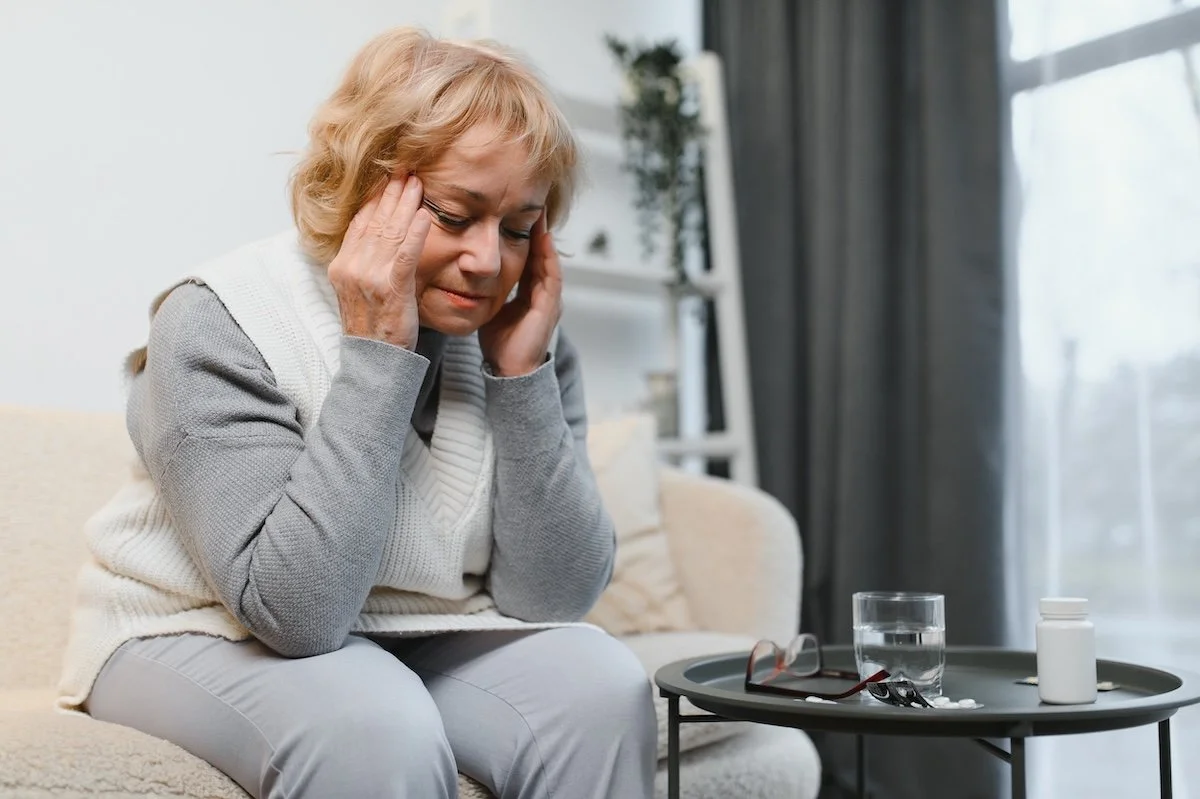
Women may leave appointments with unanswered questions, incomplete explanations, or treatment plans that do not fully address how symptoms are affecting their lives. Some are told their symptoms are “normal” and something they must simply endure. Others are offered treatment without a thorough discussion of options, risks, and benefits.
Research highlights these systemic challenges. A significant number of women report insurance barriers, difficulty scheduling appointments, and even having their concerns dismissed by healthcare providers. These experiences contribute to frustration and delayed care during a time when proactive management matters.
Insurance-driven care can further complicate treatment decisions. Coverage restrictions, prior authorizations, and step-therapy requirements may limit access to certain therapies or delay care altogether. Providers are often forced to navigate administrative demands instead of spending that time with patients.
How the Concierge Model Changes the Experience
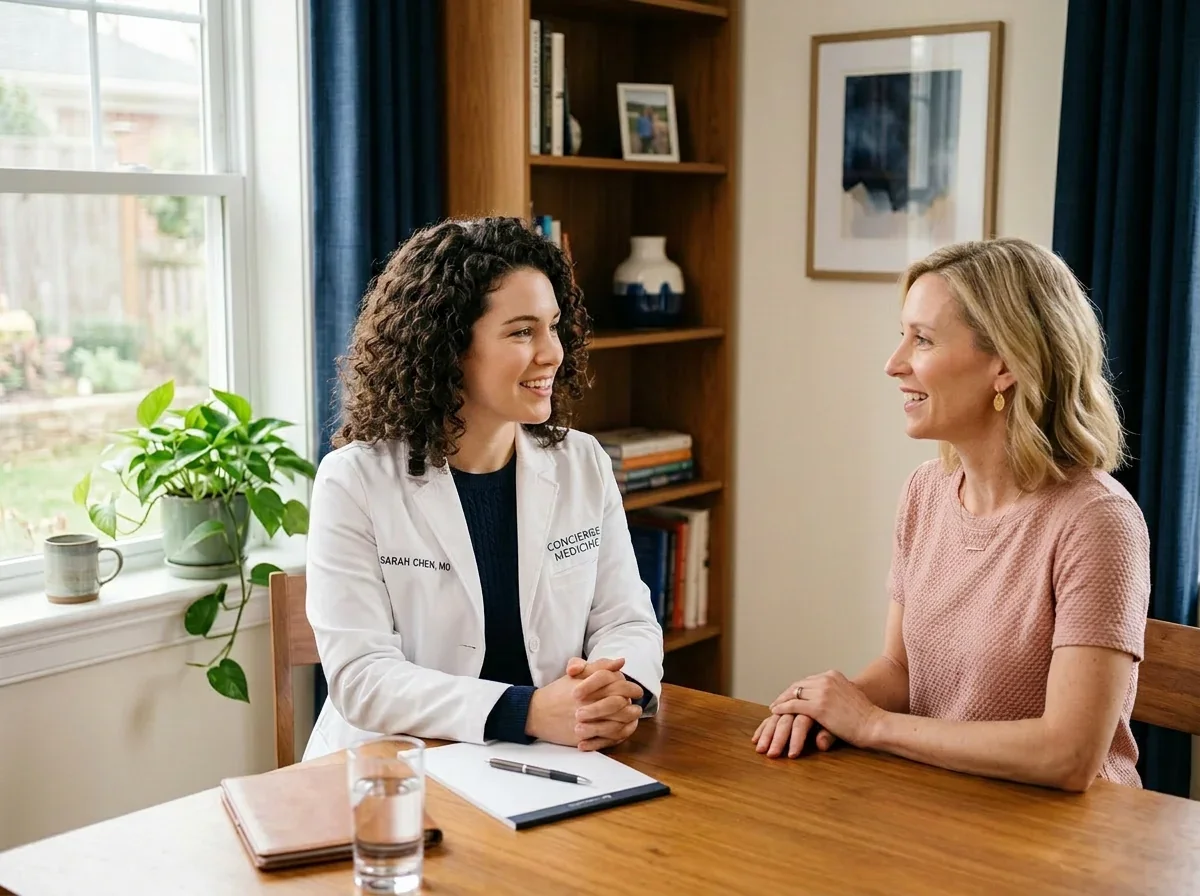
Concierge primary care removes many of the structural barriers that make menopause care difficult. Instead of rushed visits, patients receive extended appointments that allow for in-depth conversations, thoughtful assessment, and collaborative planning.
In a concierge practice, your physician has the flexibility to focus on you rather than a packed schedule. Appointments typically last 30 to 60 minutes, creating space to explore how symptoms are affecting sleep, work, relationships, and overall well-being. Follow-up is easier, and care plans can be adjusted as symptoms evolve.
Direct access to your provider is another key advantage. When something changes or a new concern arises, you do not have to wait weeks for an appointment. Timely communication allows for earlier intervention and more responsive care.
This model also supports preventive and long-term health planning. Menopause is a critical period for addressing bone health, cardiovascular risk, metabolic changes, and cognitive health. Concierge care allows these conversations to happen alongside symptom management, rather than being postponed or overlooked.
What Women Notice When Care Is Done Differently
Women receiving menopause care in a concierge setting often describe a shift in how they experience healthcare. They feel listened to, supported, and actively involved in decisions about their care. Education becomes a central part of the process, helping patients understand what is happening in their bodies and why certain treatments are recommended.
Care is not limited to a single approach. When appropriate, treatment plans may include hormone therapy alongside guidance on nutrition, movement, sleep, stress management, and lifestyle factors that influence symptoms. Having a provider who understands how menopause intersects with other health conditions allows for more coordinated and effective care.
Accessibility also matters. When symptoms are affecting sleep, mood, or daily functioning, being able to reach your physician directly provides reassurance and continuity that traditional models often lack.
Menopause Care at Concierge Medicine of Westlake
At Concierge Medicine of Westlake, Dr. Alexa Fiffick provides menopause care within a concierge primary care framework that emphasizes time, access, and individualized treatment. Her approach recognizes that menopause is not a single visit or a temporary concern, but an ongoing transition that benefits from consistent, relationship-based care.
Patients receive extended visits, personalized care plans, and direct communication with their physician. The focus is on understanding each woman’s experience and adapting care as needs change over time.
Concierge care is not about doing more tests or prescribing unnecessary treatments. It is about creating the conditions needed for better care. Time to listen. Access to respond. Continuity to plan ahead.
For many women, this approach offers clarity, confidence, and peace of mind during a stage of life that is often misunderstood or minimized in traditional healthcare settings.
You don't have to figure this out in a rushed 15-minute visit. At Concierge Medicine of Westlake, Dr. Alexa Fiffick, DO, MBS, MSCP is a board-certified family medicine physician and Menopause Society Certified Practitioner, so the same doctor who manages your hormones also knows your full health history and has the time to connect the dots. See how membership works or schedule a visit. Prefer to talk first? Call 440-797-1871.





















The kids' physicals get booked. The sports forms get signed. Your own overdue appointment gets filed under "later," and later has a way of becoming next spring. For women in the sandwich generation, the fatigue behind that pattern is not always just a busy season — sometimes there's a hormonal piece underneath it.