Valentine’s Day Beyond Romance: Why Prioritizing Your Health Is an Act of Self-Love

Last updated: February 9, 2026
Written by the Concierge Medicine of Westlake care team · Medically reviewed by Alexa Fiffick, DO, MBS, MSCP
February tends to spotlight romance, flowers, and grand gestures, but for many women, Valentine’s Day is also a moment of quiet reflection. It highlights how often their own needs are pushed aside in favor of caring for others. Yet self-love and health are inseparable, and this season offers an important reminder that tending to your well-being is not optional. It is essential.
At Concierge Medicine of Westlake, we see how women’s daily choices, boundaries, and wellness habits directly shape long-term health. When women approach self-care as medicine and engage in preventive care, the benefits extend far beyond feeling better in the moment. These choices support resilience, hormonal balance, and vitality over time.
Your health deserves more than whatever energy is left at the end of the day.
Why Women So Often Delay Their Own Care
Women are often taught, directly and indirectly, to put others first. They manage households, careers, caregiving responsibilities, and emotional labor, often without pause. Medical appointments for themselves become easy to postpone, and symptoms are brushed aside as stress, aging, or something that can wait.
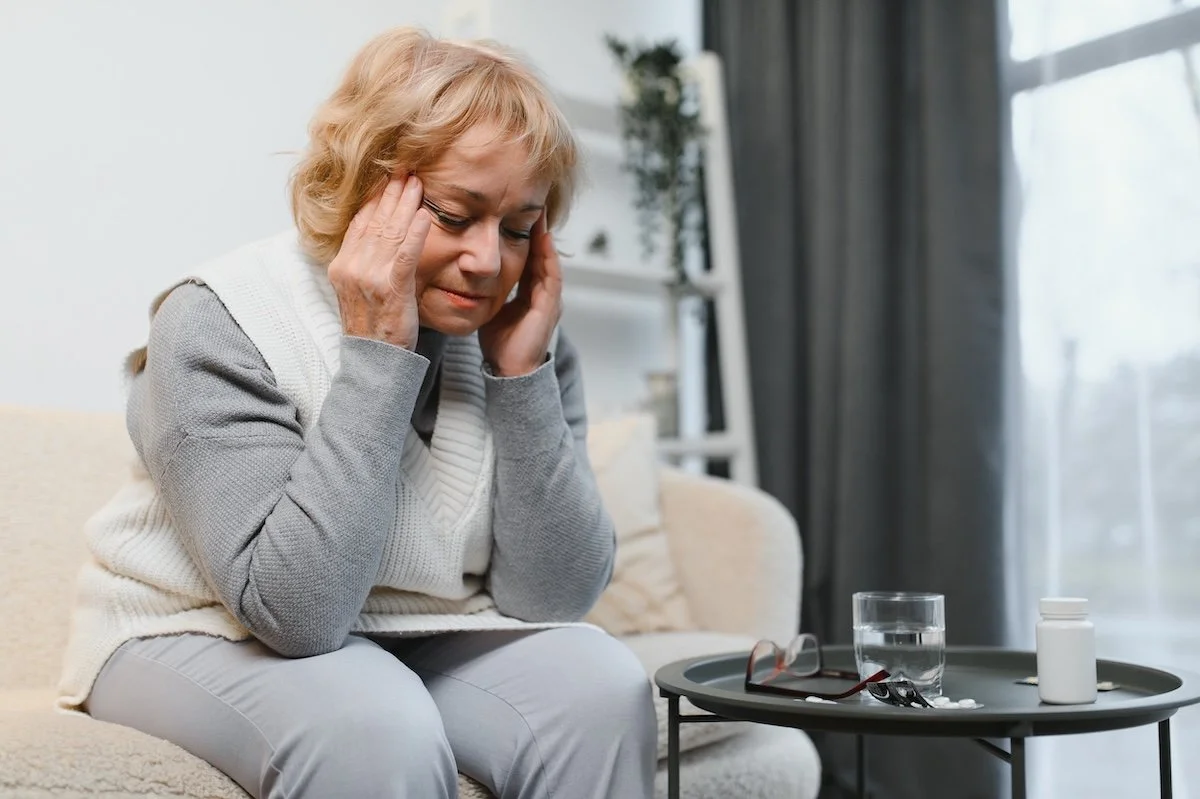
This pattern carries real consequences. Chronic stress increases inflammation, disrupts hormones, and erodes sleep quality. Over time, these effects can contribute to fatigue, anxiety, digestive problems, cardiovascular risk, and worsening chronic conditions.
Studies consistently show that women are more likely to delay care and minimize symptoms, particularly when they feel rushed or unheard in medical settings. This is where self-love and health intersect in a meaningful way. Self-love is not indulgent or selfish. It is recognizing that your body’s signals matter and responding to them with curiosity and care.
When women begin prioritizing their health, outcomes shift. Preventive screenings are completed on schedule. Symptoms are addressed earlier. Trust in the healthcare relationship grows. These changes lead to better long-term health and a stronger sense of agency.
Awareness is the first step toward breaking this cycle.
Viewing Self-Care as Preventive Care
Preventive care for women is most effective when it looks beyond isolated symptoms. Physical health is closely connected to stress levels, sleep patterns, emotional well-being, and life transitions such as perimenopause and menopause. When self-care is framed as preventive medicine, it becomes easier to prioritize without guilt.
Self-care as medicine means paying attention when something feels off instead of ignoring it. It means asking questions, seeking clarity, and partnering with a provider who understands the complexity of women’s health across every stage of life.
Preventive care also includes protecting your time and energy. Chronic stress is not just an inconvenience. It is linked to heart disease, autoimmune conditions, hormonal imbalance, and mental health concerns. Rest, boundaries, and recovery are legitimate medical needs, not luxuries.
When women feel empowered to advocate for themselves, preventive care becomes proactive rather than reactive, leading to more sustainable health outcomes.
Core Practices That Support Women’s Health
While every woman’s needs are unique, several foundational practices consistently support long-term wellbeing.
Stress Management as a Health Priority
Stress management for women is not optional. Chronic stress affects hormone regulation, immune function, and inflammation throughout the body. Left unaddressed, it can worsen existing conditions and contribute to new ones.
Managing stress does not require perfection. It begins with awareness. Identifying stressors, setting realistic expectations, and allowing time for rest all support nervous system balance. When stress is recognized as a medical concern rather than a personal shortcoming, women are more likely to seek support and make lasting changes.
Boundaries That Protect Wellbeing
Healthy boundaries play a critical role in women’s preventive healthcare. Constant overextension leads to exhaustion, sleep disruption, and hormonal strain. Boundaries allow the body to recover and function more effectively.
In healthcare settings, boundaries also mean speaking up. Asking questions, requesting further evaluation when symptoms persist, and choosing providers who listen are all part of protecting your health.
Sleep as a Cornerstone of Wellness
Sleep is one of the most powerful but overlooked women’s wellness habits. During sleep, the body repairs tissues, regulates hormones, and supports immune health. Yet sleep is often sacrificed when life feels overwhelming.
Prioritizing sleep supports both physical and mental health. Addressing sleep disruption related to stress, hormonal changes, or menopause can significantly improve overall well-being.
Trusting Your Body’s Signals
Many women are conditioned to doubt their own experiences or normalize discomfort. Developing self-trust is a vital part of women’s health self-care.
Trusting your body means continuing to seek answers even when initial testing is inconclusive. It means recognizing that you know your body best and choosing care that respects that truth. Listening to your body is one of the most powerful forms of self-care.
How Concierge Medicine Supports Preventive Women’s Care
Traditional healthcare models often limit appointment time, making it difficult to address the full context of a woman’s health. Stress management, hormonal changes, and preventive care require time, conversation, and trust.
Concierge Medicine of Westlakeoffers a relationship-based approach. With extended appointments, Dr. Alexa Fiffick is able to explore how symptoms, lifestyle, stress, and hormonal shifts intersect. This allows for personalized care plans that adapt as your needs change.
For women navigating perimenopause, menopause, or complex health concerns, this level of attention is especially important. Hormonal transitions can influence sleep, mood, metabolism, and cardiovascular health. Addressing these changes proactively supports both quality of life and long-term wellness.
Preventive care is most effective when women feel heard, respected, and supported. Time and access make that possible.
Choosing Yourself Is Choosing Your Health
Understanding the connection between self-love and health can change how women approach care. It reframes self-care as essential rather than optional.
Start with one meaningful step. Schedule a visit you have been putting off. Ask questions at your next appointment. Protect your sleep or set a boundary that preserves your energy. These choices build confidence and momentum over time.
Choosing yourself does not mean abandoning others. It allows you to show up with greater clarity, strength, and resilience. When women prioritize their health, they model self-respect and advocacy for everyone around them.
This Valentine’s Day, consider redefining love. Let it include listening to your body, honoring your needs, and investing in your future well-being. Self-love is not separate from healthcare. It is the foundation of it.
You don't have to figure this out in a rushed 15-minute visit. At Concierge Medicine of Westlake, Dr. Alexa Fiffick, DO, MBS, MSCP is a board-certified family medicine physician and Menopause Society Certified Practitioner, so the same doctor who manages your hormones also knows your full health history and has the time to connect the dots. See how membership works or schedule a visit. Prefer to talk first? Call 440-797-1871.