What Happens When You Actually Have Time to Talk About Menopause
Last updated October 2025
Why Time Changes the Experience
For many women, navigating menopause can feel like another full-time job. There’s no shortage of advice online, yet most medical visits last only a few minutes, barely enough time to share your symptoms, let alone get personalized guidance.
Traditional healthcare is built for efficiency, not depth. But menopause care requires something different: time to talk, to connect, and to truly understand how this stage of life is affecting you.
At Concierge Medicine of Westlake, longer appointments and smaller patient panels allow us to slow down and focus on what matters most, your well-being.
What Longer Visits Make Possible
As a concierge physician, I see fewer patients, allowing me to spend more time with each one. Appointments typically last 30 to 60 minutes, allowing us to look beyond surface symptoms and uncover the full story behind them.
Here’s how that time translates into better care:
We start with understanding. Your experience is unique. During our first visit, we explore your health history, lifestyle, symptoms, and goals so your care plan is built around you, not a checklist.
We connect patterns. Many women notice changes in sleep, mood, and metabolism during midlife. More extended visits allow us to discuss how factors such as stress, thyroid health, and activity levels may be interconnected.
We personalize your plan. Together, we address the core areas that support hormonal balance, nutrition, movement, stress, and sleep, and add targeted treatments or hormone therapy when appropriate.
With time on our side, we can create a plan that’s evidence-based and realistic for your daily life.
What the First Month Looks Like
Menopause care isn’t a single appointment. It’s an ongoing partnership that evolves with you. Here’s what the process typically looks like in the first month:
Week 1: Comprehensive Initial Visit
We start with an extended appointment to review your medical history, symptoms, and lifestyle habits. Labs are ordered to help us identify underlying factors that may be influencing how you feel.
Week 2: Review and Plan Refinement
Once results are available, we meet again or connect through secure messaging to review them together. Based on the findings, I update your plan with specific recommendations and targeted treatments.
Week 3: Check-In and Adjustments
As you begin your new routine, questions often come up. You can message me directly for support and clarification rather than waiting weeks for another appointment.
Week 4: Fine-Tuning for Long-Term Success
We evaluate your progress, discuss what’s improving, and make any needed adjustments to your plan. This continuous loop of communication helps ensure lasting results.
This model allows us to build momentum and create meaningful progress, one step at a time.
Expert Guidance You Can Trust
Menopause affects every woman differently. Some individuals experience only mild symptoms, while others face life-altering changes in mood, energy, and overall well-being. Having the right guidance can make all the difference.
As a Menopause Society-certified provider, I help patients understand both hormonal and non-hormonal options using evidence-based data.
If hormone therapy is right for you, transdermal estradiol combined with progesterone can help ease hot flashes, improve sleep, and support long-term health.
If you prefer non-hormonal options, treatments like low-dose antidepressants or local therapies can also relieve symptoms effectively.
The key is balance, choosing the safest, most effective approach based on your personal health profile and comfort level.
Concierge Care Means Accessible Care
Many patients tell me the most significant benefit of concierge medicine isn’t just the longer visits. It’s knowing that they can reach out between appointments and get real answers. Whether you need to check on a new symptom, clarify a lab result, or ask about treatment adjustments, I’m only a secure message away.
This accessibility prevents the frustration and delays that often come with traditional healthcare. Instead of waiting months for a follow-up, we stay connected, make timely adjustments, and ensure your care continues to progress.
Giving Menopause the Attention It Deserves
Menopause deserves time, patience, and expertise. At Concierge Medicine of Westlake, my goal is to provide care that feels thoughtful, informed, and genuinely personal. When women have space to ask questions and receive clear answers, confidence replaces confusion.
If you’re ready to experience menopause care that puts you first, book a Meet & Greet by calling 440-797-1871 or visiting www.conciergemedicineofwestlake.com.
You might also like…
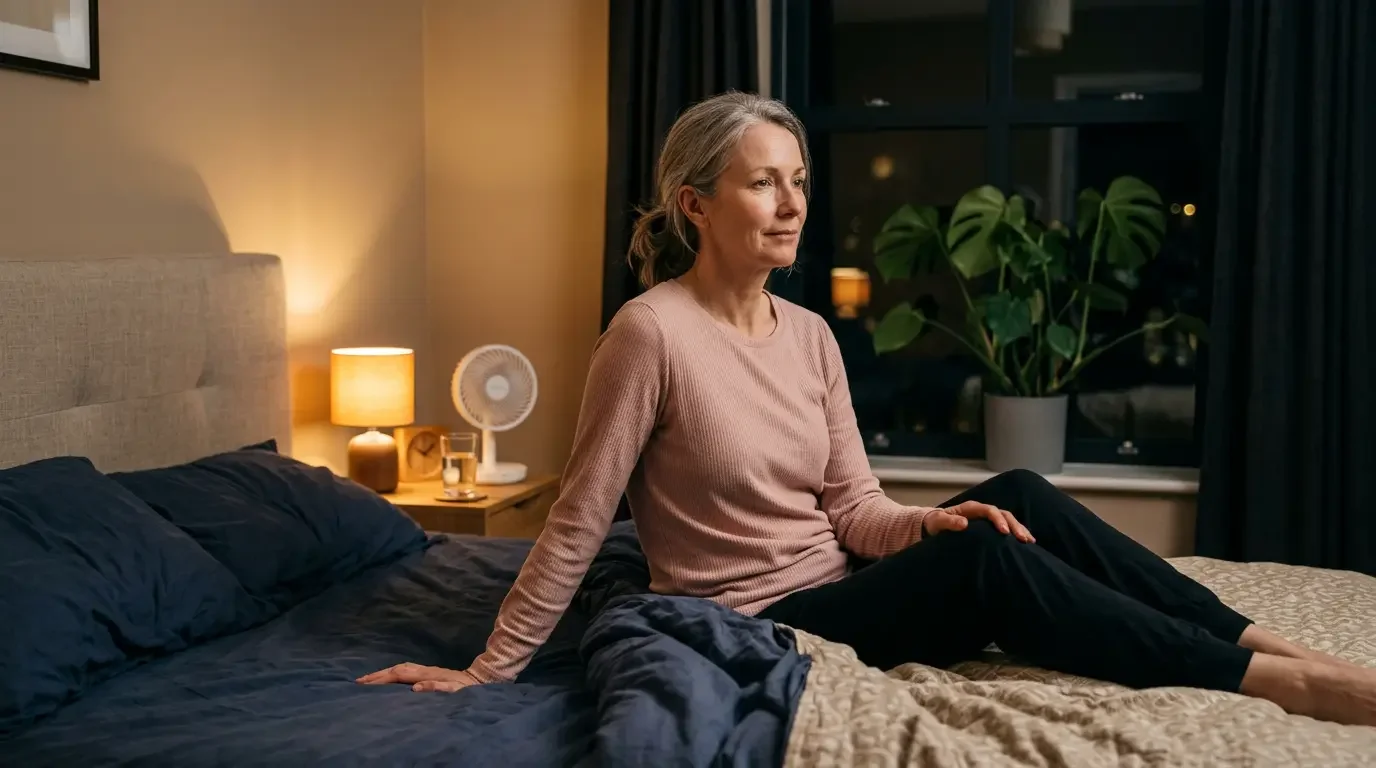
Most night sweat advice arrives about six hours too late. This is the version you can actually use while standing in front of an open freezer at 2am, from a Menopause Society Certified Practitioner who hears this exact story in her Westlake office almost every week.
He's tired. Not sick, exactly — just tired. His sleep is off, his energy is low, and the number on the bathroom scale has been creeping up for two or three years. His wife mentions the doctor. He says he'll call. He doesn't call. It's a story that plays out in Westlake, in Avon, in Rocky River, and in just about every suburb west of Cleveland — and the conditions building quietly in the background don't wait for a convenient opening in the calendar.
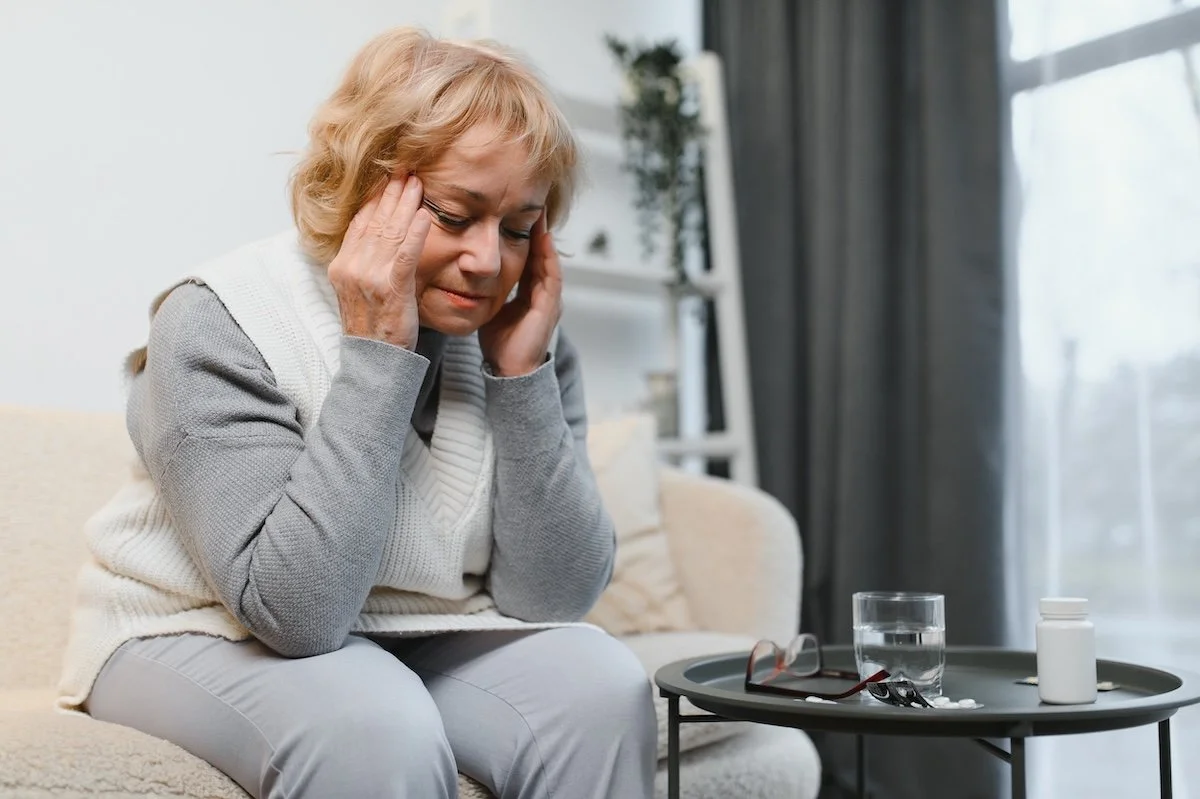
A headache that won't quit. Fatigue heavier than a missed night of sleep should explain. Dizziness standing up from a lawn chair. The default explanation for all of it is almost universally the same: it must be the heat. Sometimes that's right. But sometimes it isn't — and the distinction matters more than most people realize.
Most women know menopause is coming. Far fewer are prepared for what comes first. Perimenopause can begin in your early forties — sometimes earlier — and it rarely announces itself clearly. It tends to arrive as symptoms that don't immediately point to hormones.
There is a particular kind of frustration that comes from leaving a doctor's appointment feeling worse than when you walked in. Not because anything went wrong. But because you had a list, and you only got through the first item. For women in midlife, this is not unusual. It is, for many, the norm.
Your sleep is off. Your periods are unpredictable. You feel unlike yourself — and you've been told it's probably stress. Perimenopause and menopause are not the same condition, and the difference changes what your symptoms mean, what testing makes sense, and what treatment options are right for where you are.
The FDA removed the black box warning on hormone therapy in November 2025 — and most women haven't heard. For more than twenty years, a flawed study shaped the conversation around a treatment millions of women were told to fear. Here's what the actual numbers say, and why timing matters more than most doctors discuss.
Valentine’s Day is a reminder that caring for yourself is just as important as caring for others. Learn why preventive care, stress support, boundaries, and wellness habits are powerful acts of self-love—especially for women navigating midlife.
Restrictive diets don’t serve women’s long-term heart health—especially during menopause. Learn how to nourish your cardiovascular system with practical, sustainable strategies that focus on balance, flexibility, and support.
Menopause care requires time, continuity, and individualized attention—elements often missing in traditional healthcare. Learn how concierge primary care offers a more supportive, personalized approach to menopause care.
Caregiver burnout is not a failure of resilience—it is a documented medical condition linked to chronic stress, immune suppression, cardiovascular disease, and increased mortality. Learn how concierge primary care in Westlake helps caregivers protect their health while caring for others.
Cleveland winters are long, cold, and hard on the immune system. This guide walks you through practical ways to strengthen immunity, prevent illness, and access personalized medical support — so winter doesn’t derail your health.
As the year comes to a close, now is the ideal time to review your preventive care. This guide walks you through the screenings, labs, and evaluations women in Westlake and the Cleveland area should prioritize to support long-term health and a more confident start to 2026.
Dense breast tissue can make cancer harder to detect—but 3D mammography offers greater clarity and peace of mind. Dr. Alexa Fiffick explains how advanced screening and personalized care help women make informed choices about breast health.
Most healthcare visits are too short to address the complexity of menopause. Learn how concierge medicine with Dr. Alexa Fiffick creates space for real conversations, personalized care, and lasting support.
As fall routines return, figuring out flu, RSV, and COVID vaccines can feel overwhelming—especially if you want to avoid side effects, multiple trips, or missed windows. At Concierge Medicine of Westlake, we create simple, personalized vaccine calendars based on your age, health risks, and schedule. This 2025 guide breaks down eligibility, timing, and smart strategies for combining shots, so you can protect your health without the stress.
If you’re in your 40s, 50s, or 60s and movement feels harder than it used to, this 14-day mobility reset is for you. Created by Dr. Alexa Fiffick at Concierge Medicine of Westlake, the plan offers a practical, evidence-informed approach to building confidence, strength, and joint support in midlife. With short daily sessions and expert support, this program fits into real-life schedules while helping you move without pain. It’s the perfect way to celebrate Women’s Health & Fitness Day—and set the tone for the rest of the year.
Despite decades of progress, menopause care remains unequal. Too many women are handed antidepressants instead of real answers. In this post, Concierge Medicine of Westlake explores the outdated science, persistent medical gaps, and what equity should look like for women navigating this life stage with clarity and confidence.
If you’re dealing with irritation or UTIs after swimming, you’re not alone. Chlorine, hormonal shifts, and damp suits can create the perfect storm—especially in perimenopause and menopause. This post from Concierge Medicine of Westlake shares why it happens and what you can do to protect your vaginal health while still enjoying the pool.
Long drives and fast food don’t have to spell digestive misery. Learn why hormone changes heighten road-trip gut issues—and how to prevent bloating, reflux, and discomfort with smart strategies, travel-ready snacks, and expert guidance from our Westlake care team.
Lake Erie humidity and hormonal shifts can turn restful sleep into a sweaty struggle. This guide shares science-backed strategies—from temperature hacks to personalized hormone care—to help you reclaim calm, cool nights all summer long.
Women 40+ face a summer balancing act: protect your skin without sacrificing vitamin D. Learn how concierge preventive care helps you optimize energy, hormones, and sun safety all season long.
Humidity headaches and hormone swings are a tough combination for many Ohio women. Learn how weather patterns, estrogen changes, and personalized care can help you control migraines and reclaim sunny days.
Bone health is often overlooked—until a fracture happens. At Concierge Medicine of Westlake, we help women take early, proactive steps to prevent osteoporosis and stay strong through midlife and beyond.
Concierge medicine is redefining the healthcare experience. Learn how Dr. Alexa Fiffick provides personalized, accessible care in Westlake, OH—designed to meet the unique needs of every patient.
Stress in midlife isn’t just emotional—it’s hormonal. At Concierge Medicine of Westlake, we help women address the root causes of mood shifts, fatigue, and anxiety with personalized, proactive care.
Menopause is different for every woman. At Concierge Medicine of Westlake, Dr. Alexa Fiffick offers expert, personalized care to help women manage symptoms, feel supported, and stay healthy through this important life transition.
Sexual health doesn’t end at 40—and neither should your care. Learn why STI rates are rising among midlife women and how Dr. Alexa Fiffick provides supportive, personalized screening and wellness guidance in a concierge setting.
Metabolism often slows after 40—but it’s not just aging. Hormonal shifts play a major role. Learn how Dr. Alexa Fiffick helps women manage midlife metabolism with personalized testing, nutrition plans, and hormone support.
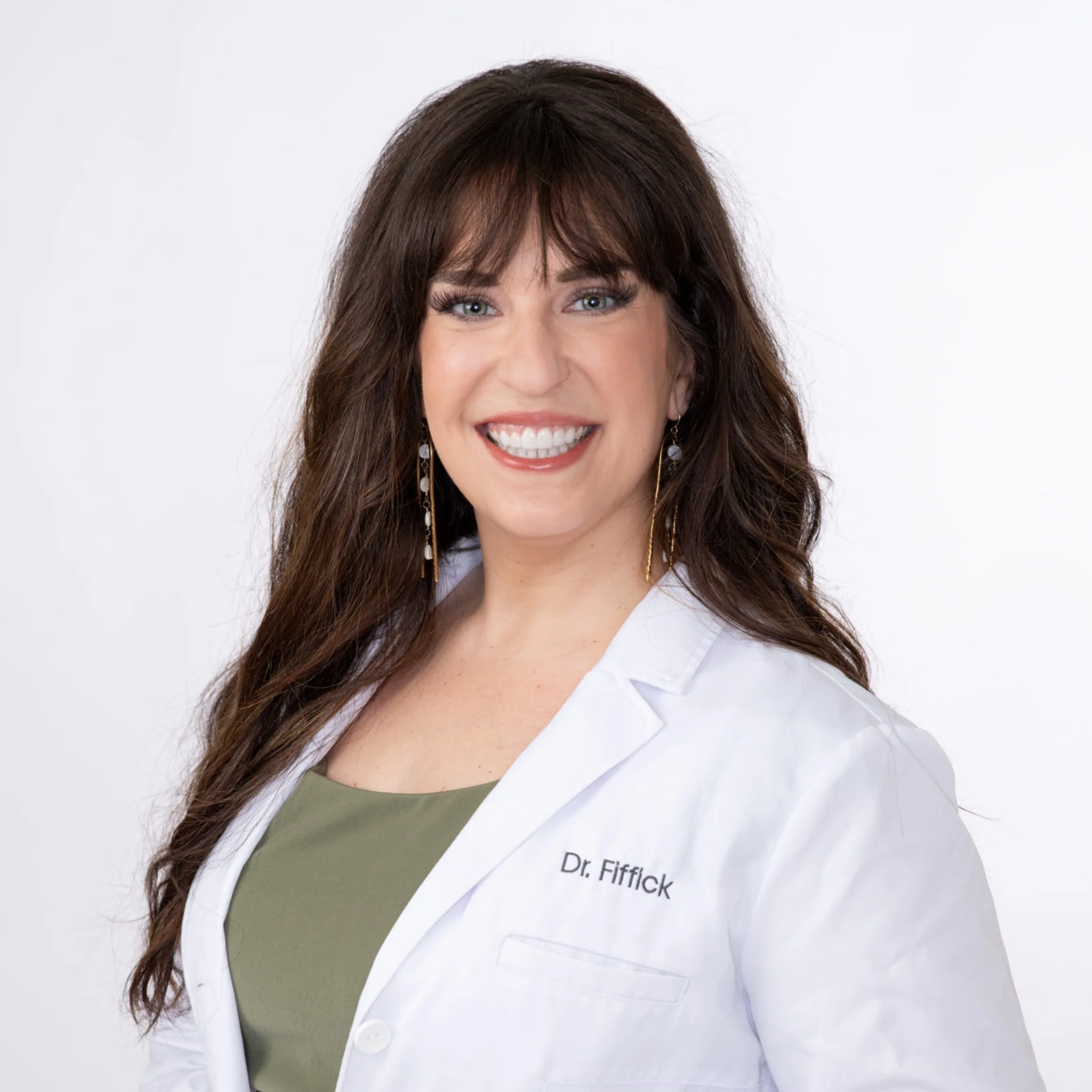
Dr. Alexa Fiffick, DO, MSCP is a board-certified physician and Certified Menopause Practitioner at Concierge Medicine of Westlake. Her practice focuses on women's health, osteopathic medicine, and individualized care through every stage of midlife.
Chronic Disease Awareness Day falls on 7/10 for a reason: seven of the ten leading causes of death in this country are chronic conditions. But the harder problem usually is not any single diagnosis. It is that blood pressure, thyroid, and blood sugar get treated as three separate appointments when the body treats them as one.