Why Women Need More Time With Their Doctor During Midlife
Last updated: May, 2026
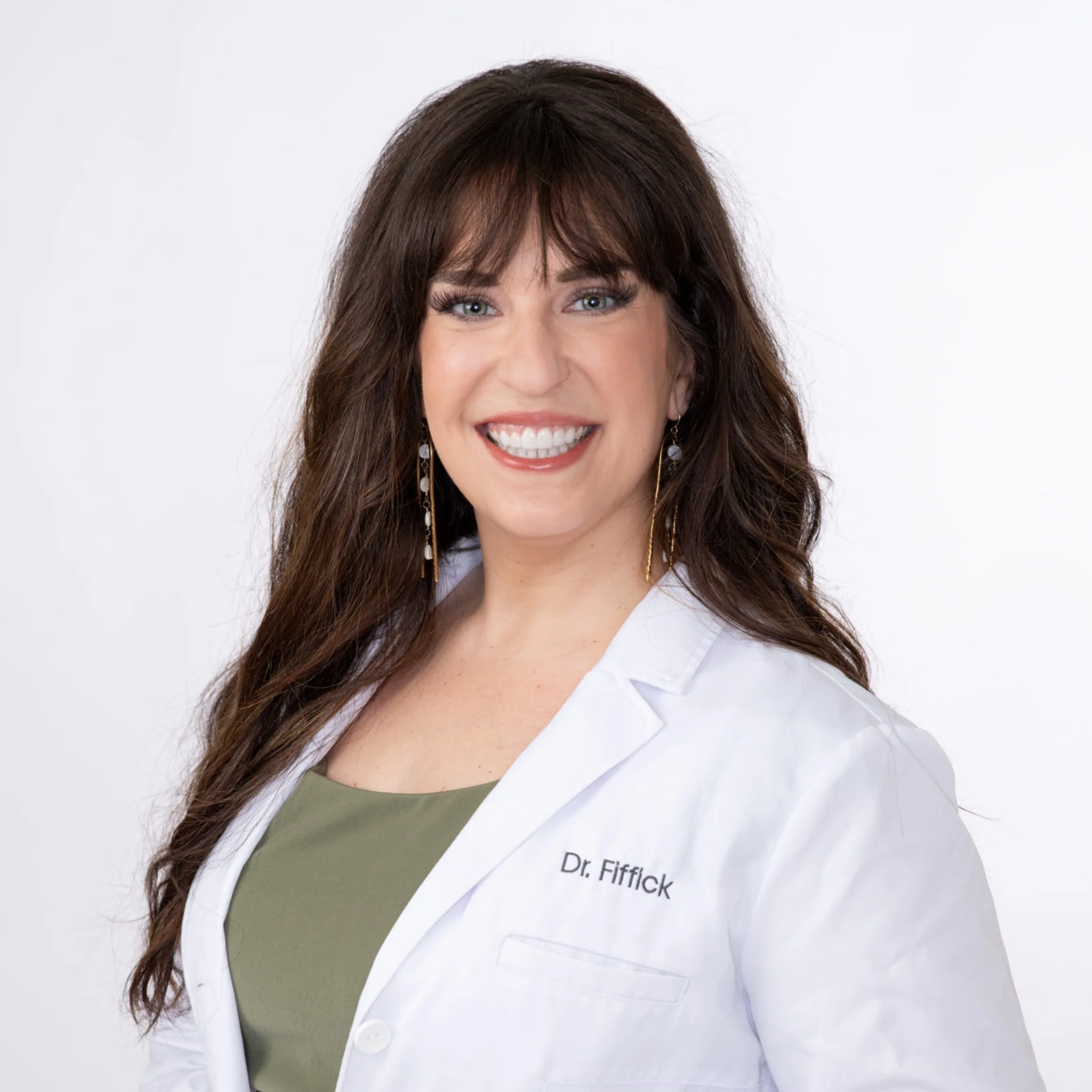
Written by the Concierge Medicine of Westlake care team · Medically reviewed by Alexa Fiffick, DO, MBS, MSCP
There is a particular kind of frustration that comes from leaving a doctor's appointment feeling worse than when you walked in. Not because anything went wrong, exactly. But because you had a list, you only got through the first item. Because the thing you actually wanted to talk about — the sleep that has been off for months, the anxiety that arrived without warning, the fatigue that does not match your life — got bumped to "next time." Because the appointment ended before the conversation really started.
For women in midlife, this experience is not unusual. It is, for many, the norm.
The structure of conventional primary care was not designed to address the complexity of women's midlife health. A standard office visit runs 15 to 20 minutes. In that window, a physician is expected to review medications, address acute concerns, order any indicated labs or screenings, document everything in the electronic health record, and still leave time for the patient to ask questions. Something always gets left out. And when the patient is a woman in her forties or fifties navigating a convergence of hormonal, metabolic, cardiovascular, and psychological changes, what gets left out tends to matter.
The Problem With 15 Minutes
Midlife is not a single health event. It is a period during which multiple systems in the body are shifting simultaneously, often in ways that interact with one another and are not always obvious in a short visit.
Consider what a woman in her mid-forties might be managing at once:
Irregular cycles and perimenopausal hormone fluctuations
Sleep disruption that affects mood, cognition, and metabolic function
Increasing cardiovascular risk that warrants updated screening and lifestyle discussion
Bone density changes that are largely silent until they are not
The thyroid function can mimic or amplify perimenopausal symptoms
Mental health changes, including new or worsening anxiety
Shifts in weight distribution that do not respond to previous approaches
Sexual health concerns that rarely get discussed unless a patient raises them first
None of these exists in isolation. They are connected, and addressing any one of them well requires understanding how the others are affecting the picture. That kind of clinical reasoning takes time. It takes a provider who knows the patient's history, who can hold the full context, and who is not watching the clock while the patient is still mid-sentence.
In a 15-minute appointment, a physician has to triage. The acute concern wins. The preventive conversation gets deferred. The symptom the patient hesitated to bring up because she was not sure it was worth mentioning never gets mentioned.
Why Women's Symptoms Are So Often Missed
The time problem compounds an existing gap in how women's health concerns are received. Research has documented that women wait longer for diagnoses across a wide range of conditions, are more likely to have their symptoms attributed to stress or anxiety, and are less likely to receive aggressive evaluation for conditions, including cardiovascular disease. The structure of a rushed appointment makes this worse, not better.
When a woman walks into a short visit with several concerns, she often makes a calculation before she even sits down. She decides which symptom is most acceptable to raise. She anticipates being told she is stressed. She edits herself to avoid taking too much time. And so the physician sees only a fraction of what is actually happening, makes a clinical decision based on incomplete information, and the woman leaves with a prescription or referral that addresses the surface without touching what lies beneath.
This is not a failure of individual physicians. Most physicians went into medicine to help their patients. The failure is structural. The system rewards volume. It does not reward depth.
What Changes When There Is Time
The difference between a 15-minute appointment and an extended, unhurried visit is not just a matter of comfort. It changes what is clinically possible.
When a provider has time to listen fully, patterns emerge that would otherwise stay hidden. A woman who mentions fatigue, irregular cycles, and difficulty concentrating is describing a hormonal picture worth exploring. A woman who notes that she has been more anxious than usual and is not sleeping well may be describing perimenopause, a thyroid issue, or both. These connections require conversation to surface. They require a physician who is not moving toward the door.
Extended appointments also change the nature of preventive care. Prevention is not just ordering a mammogram or reviewing a blood pressure reading. It is a conversation about how a patient is living, what she is noticing in her own body, where her risk factors are trending, and what she wants her health to look like in the next decade. That conversation cannot happen in fragments across rushed annual visits. It requires continuity and time.
There is also a dimension of trust that builds differently when appointments are not constrained. A woman who knows she will not be rushed is more likely to raise the concern she has been sitting with for months. She is more likely to be honest about her symptoms, her habits, her fears. And that honesty is clinically valuable in ways that no lab panel can replicate.
The Concierge Model and What It Makes Possible
Concierge medicine is built on a different premise than conventional primary care. Rather than managing a panel of thousands of patients through brief, high-volume visits, a concierge physician maintains a smaller patient panel and provides each patient with significantly more time and access.
At Concierge Medicine of Westlake, Dr. Alexa Fiffick, DO, deliberately structures her practice around this model. For women in midlife, the practical implications are meaningful:
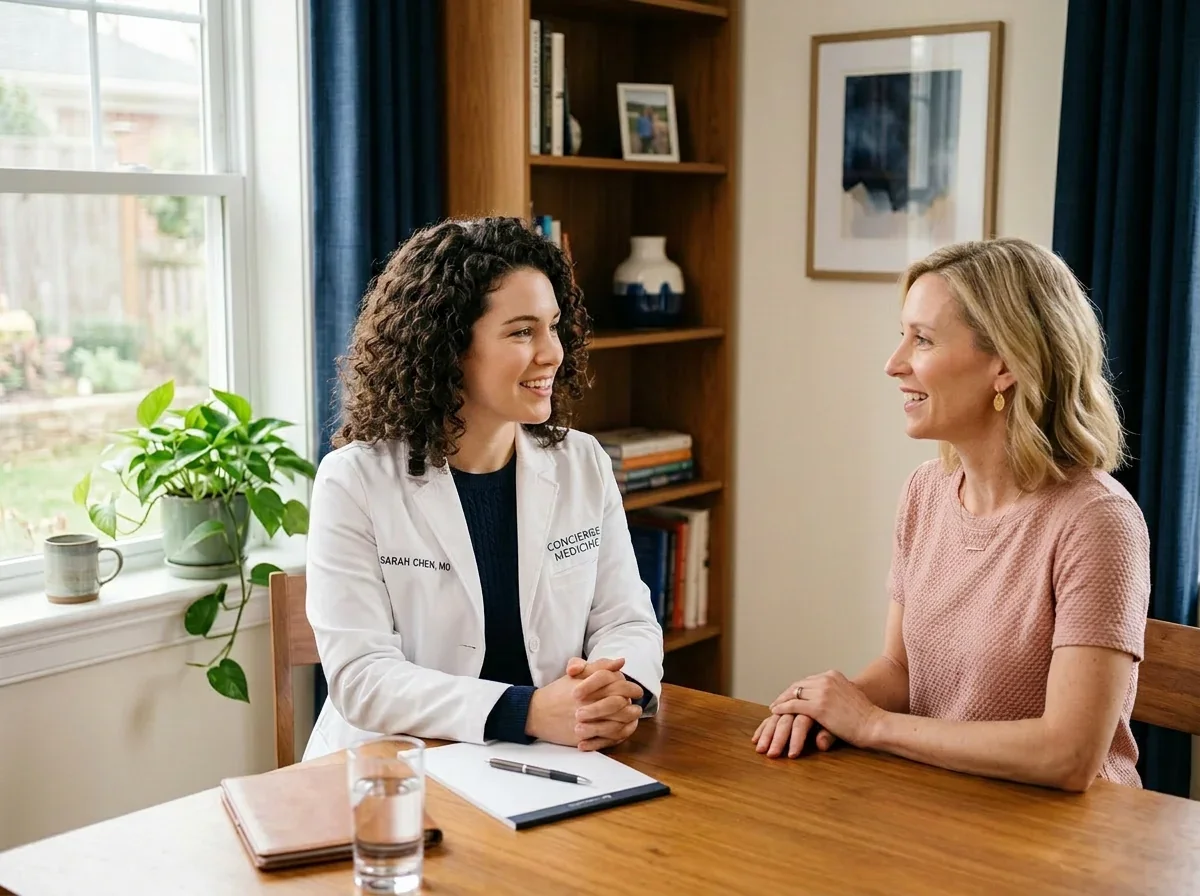
Appointments that match the complexity of the concern. A woman navigating perimenopause, sleep disruption, and questions about hormone therapy does not need to choose which of those topics to raise. She can bring all of them. The visit is designed to accommodate that kind of comprehensive conversation.
A physician who knows your history. Continuity of care is not incidental in a concierge practice. It is the point. Dr. Fiffick builds relationships with her patients over time, which means she understands not just the current presenting concern but the longitudinal arc of a patient's health. That context changes clinical decisions.
Proactive planning rather than reactive care. When appointments are not driven by acute concerns, there is room for the kind of forward-looking conversations that prevent problems rather than just responding to them. Bone health, cardiovascular risk, metabolic trends, screening timelines — these are the conversations that get deferred in conventional care and that get centered in a concierge practice.
Direct access when something comes up. Between appointments, patients have direct access to Dr. Fiffick. For women managing conditions that can shift quickly, like perimenopausal hormone fluctuations or new symptoms that need clinical interpretation, access matters.
Women's Health Week and the Bigger Picture
This year's National Women's Health Week asks us to consider what it means to improve outcomes through better care experiences. The answer, for many women, begins with something that should not be radical: a doctor who has enough time to actually listen.
The research on care experience and health outcomes is consistent. Patients who feel heard are more likely to follow through on treatment plans, raise concerns early, and maintain ongoing relationships with their providers. The quality of the physician-patient relationship is not a soft metric. It has clinical consequences.
For women in midlife, who are navigating some of the most consequential health transitions of their lives, that relationship is particularly important. The decisions made during perimenopause and the years surrounding it — about hormone therapy, about cardiovascular risk reduction, about bone health, about mental health — have long-term implications. Making those decisions well requires information, context, and a provider relationship built on more than a handful of rushed annual visits.
Finding Care That Matches What Midlife Actually Requires
If you have left appointments feeling like your concerns were not fully addressed, that experience is telling you something. Not that your concerns are not valid, but that the structure of the care you are receiving may not be suited to what you actually need right now.
Women in their forties and fifties in the Westlake and greater Cleveland area who are looking for a primary care physician who specializes in women's midlife health, takes the time to listen, and builds a long-term care relationship are encouraged to reach out to Concierge Medicine of Westlake.
You don't have to figure this out in a rushed 15-minute visit. At Concierge Medicine of Westlake, Dr. Alexa Fiffick, DO, MBS, MSCP is a board-certified family medicine physician and Menopause Society Certified Practitioner, so the same doctor who manages your hormones also knows your full health history and has the time to connect the dots. See how membership works or schedule a visit. Prefer to talk first? Call 440-797-1871.




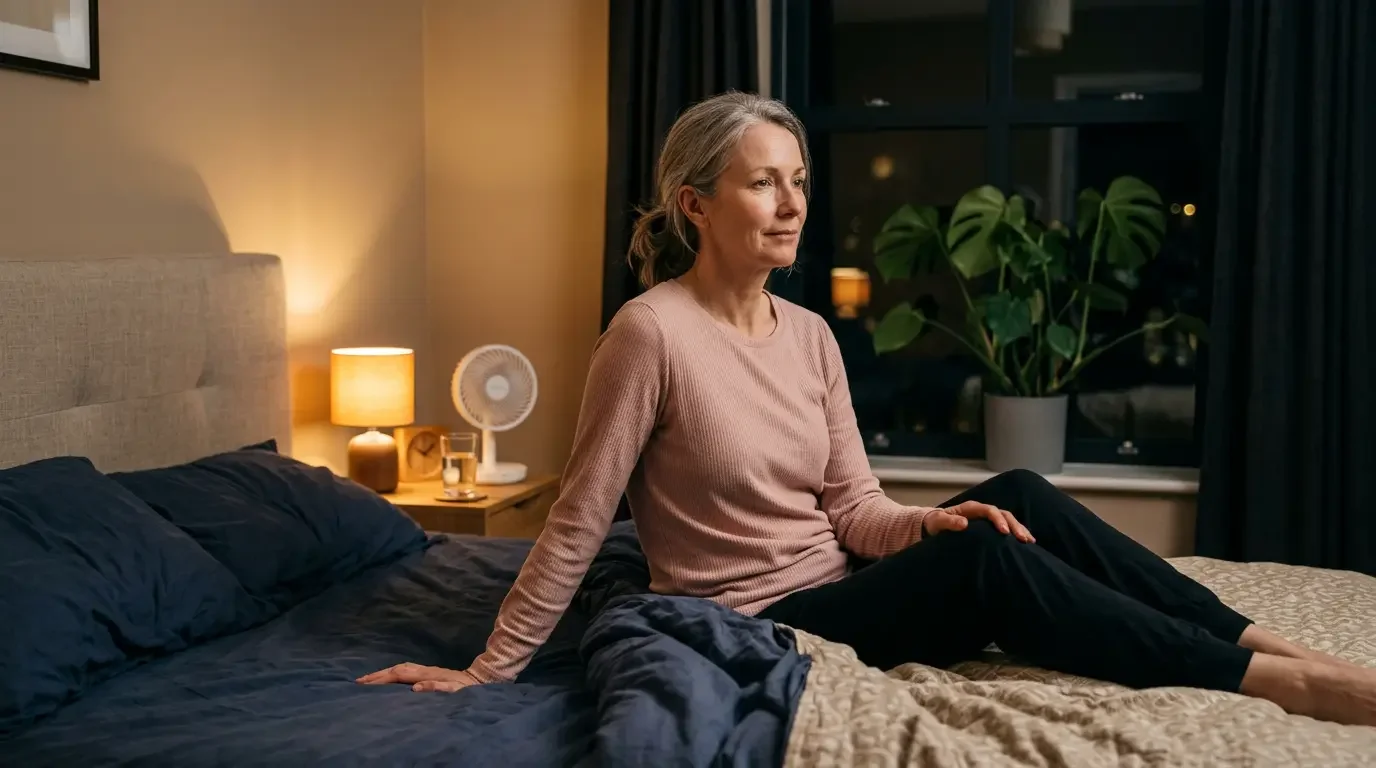



















You searched your symptoms and got two answers. One set of pages says perimenopause. The other says thyroid. Both lists look like your life — and they overlap almost completely. The tell is usually not the symptom itself but its trajectory, which takes a history nobody has time to take in fifteen minutes.