
The Summer Symptoms Patients Mistake for "Just Heat"

Last updated: June 2026
Written by the Concierge Medicine of Westlake care team · Medically reviewed by Alexa Fiffick, DO, MBS, MSCP
Northeast Ohio summers have a particular quality that residents learn to navigate: the humidity settles in off Lake Erie, temperatures climb through July and August, and outdoor activity ramps up after months of staying inside. Backyards fill up. Patios get used. People start exercising outside again, gardening again, spending whole afternoons in the sun at Progressive Field or on the Metroparks trails.
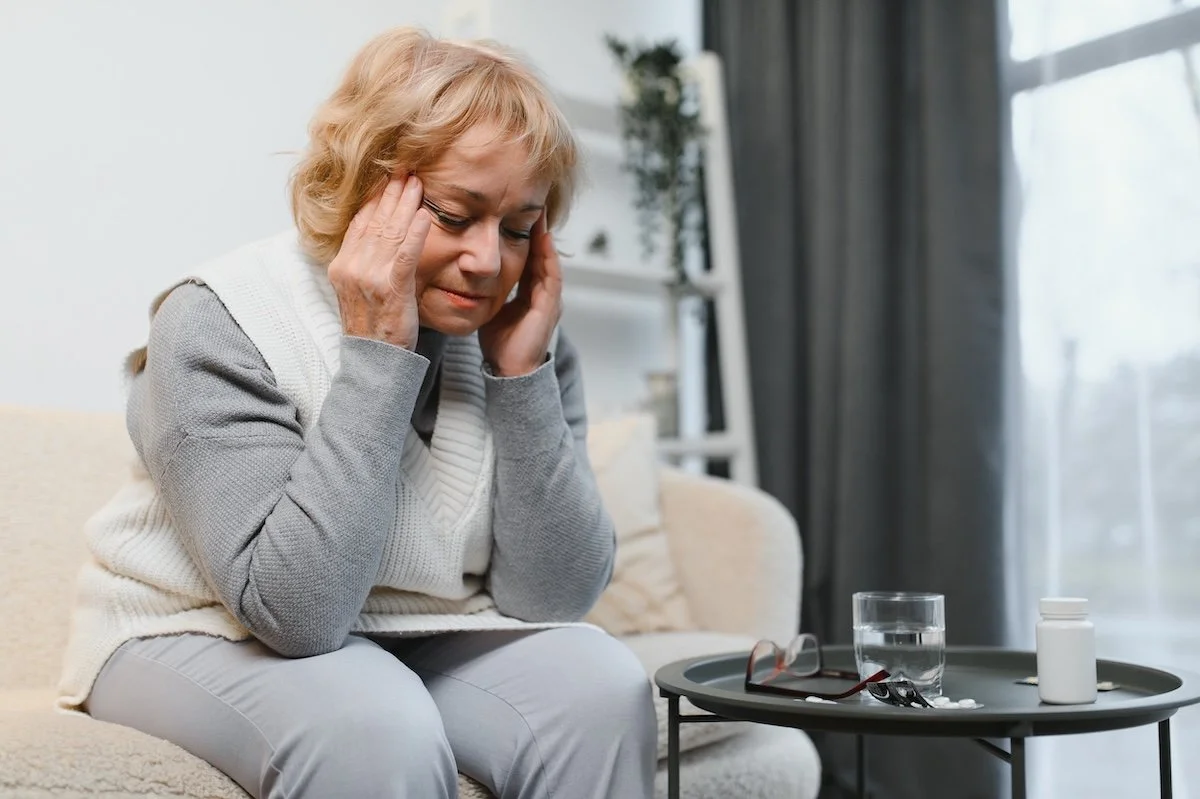
And then the symptoms start. A headache that will not quit. Fatigue that feels heavier than a missed night of sleep should explain. Dizziness standing up from a lawn chair. A wave of heat so sudden it stops a woman mid-conversation.
The default explanation for all of it, almost universally, is: it must be the heat. Sometimes that is right. But sometimes it is not, and the distinction matters more than most people realize.
What Heat Actually Does to the Body
The human body maintains a narrow core temperature range, and it works hard to defend it. When external temperatures climb, it deploys several mechanisms to stay cool: blood vessels near the skin dilate, sweat production increases, and the heart works harder to circulate blood to the periphery. In most healthy people, this system manages well. In others, on hot and humid days in particular, the system starts to strain.
In the summer of 2023, the hottest on record in the United States, the CDC reported nearly 120,000 emergency department visits related to heat illness. The number of heat-related deaths rose from 1,602 in 2021 to 2,302 in 2023, according to the U.S. Department of Health and Human Services.
Those numbers represent the severe end of the spectrum. But for every person who ends up in an emergency department, many more are managing symptoms at home and attributing them to something that does not require attention. That assumption is often where problems begin.
Five Symptoms Worth Taking Seriously
The following are among the most commonly dismissed summer complaints, and the reason each one deserves more than a glass of water and a shaded chair.
Persistent fatigue. Feeling tired after time in the heat makes sense. Feeling tired for days at a stretch, particularly in the absence of extreme exertion, does not. Fatigue that does not resolve with rest can signal dehydration severe enough to affect kidney and cardiovascular function, thyroid disruption, anemia, or inadequate sleep quality compounded by heat. It is worth distinguishing between the normal tiredness of a hot afternoon and the kind that follows you into the next morning.
Dizziness or lightheadedness, especially when standing. This is often orthostatic hypotension, a sudden drop in blood pressure when changing positions. Heat amplifies it because blood vessels are already dilated and blood is already pooled toward the skin's surface. For people on blood pressure medications, the effect can be pronounced.
Recurring headaches. Headaches that arrive reliably in summer are not coincidental. A Harvard University study found that a nine-degree Fahrenheit increase in temperature correlated with a 7.5 percent increase in the likelihood of a migraine attack severe enough to require an emergency room visit. Dehydration compounds this: reduced blood volume affects the pressure and chemistry within the nervous system, lowering the threshold for an attack. For migraine patients, summer is often the most difficult season, and the combination of heat, dehydration, disrupted sleep, and barometric shifts around thunderstorms creates what neurologists describe as a "perfect storm" of overlapping triggers.
Nausea without an obvious cause. Nausea in hot weather often means the body's thermoregulatory system is working at its limit. It can also be an early warning sign of heat exhaustion. The distinction between nausea from a stomach bug, heat-related illness, dehydration, or medication sensitivity can be important and is not always obvious.
Heart palpitations or a rapid heart rate. In hot weather, an elevated resting heart rate is often dismissed as a natural response to warmth. It may well be. It can also reflect dehydration, electrolyte imbalance, or an underlying cardiovascular or thyroid issue that has been masked for months and only surfaces under physical stress.
The Medication Problem Most Patients Do Not Know About
There is a category of summer risk that rarely gets discussed at a routine visit: the way common medications interact with heat. This is particularly relevant in a primary care population where a significant number of adults are managing hypertension, depression, anxiety, thyroid conditions, or attention-related disorders.
Diuretics, often prescribed to manage heart failure, kidney disease, or high blood pressure, increase fluid loss through urination and can cause dehydration. ACE inhibitors can increase the risk of fainting and suppress the sensation of thirst, making it harder to recognize when more fluids are needed. Beta blockers can impair sweating, which makes it more difficult for the body to cool itself. Calcium channel blockers, certain antipsychotic medications, some antidepressants, thyroid hormone replacement medications, and even over-the-counter antihistamines can all increase the risk of heat-related illness.
None of this means these medications should be stopped. It means that patients on these regimens need to understand their particular vulnerabilities during hot months, and that their physician should know which medications are in use when symptoms arise. If you are taking any of the above and are experiencing unusual fatigue, dizziness, or difficulty tolerating summer temperatures, a conversation with your doctor is appropriate.
A Note for Women in Perimenopause and Menopause
Summer creates a specific and genuinely confusing overlap for women navigating perimenopause or menopause. The vasomotor symptoms of this transition, hot flashes and night sweats, produce sensations of intense heat, flushing, sweating, and a racing heart rate. When these symptoms occur against the backdrop of an already hot day, distinguishing between a hot flash and early heat exhaustion can be surprisingly difficult.
The physiological mechanisms are different. Hot flashes are a vasomotor symptom driven by hormonal changes, typically producing a sudden rush of heat in the face, chest, and neck, and generally lasting between two and thirty minutes. They are internally generated, triggered by hypothalamic dysregulation related to declining estrogen, not by the ambient temperature. However, when temperatures outside rise, they can make hot flashes appear more frequent and more intense, as volatile estrogen levels disrupt the brain's hypothalamus, the part responsible for regulating body temperature.
Heat exhaustion, by contrast, tends to develop more gradually, is associated with prolonged exposure to environmental heat, and typically features cool, clammy skin rather than the flushing that characterizes a vasomotor episode. A woman who is soaking through clothing, feels confused or unusually weak, or has symptoms that do not pass within a half hour should not assume she is simply having a hot flash.
For women whose hot flashes are severe enough that summer becomes difficult to manage, this is a clinical issue with clinical solutions. Untreated vasomotor symptoms affect sleep, cardiovascular health, and quality of life in ways that extend well beyond comfort. The conversation is worth having with a physician who takes it seriously.
The Hydration Myths Worth Correcting
Most adults have absorbed the "eight glasses of water a day" guidance and believe they are adequately hydrated as long as they meet it. A few things are worth clarifying.
Thirst is a late signal. By the time the sensation of thirst registers, mild dehydration is already underway. In older adults, the thirst mechanism becomes less reliable, which means deliberate hydration habits matter more with age, not less.
Clear urine is a better real-time indicator than thirst. Pale yellow is the target. Dark yellow or amber urine on a summer afternoon means hydration is lagging.
Water alone is not always sufficient on high-activity or high-heat days. Sweating depletes sodium, potassium, and magnesium alongside fluids. Replacing water without replacing electrolytes can worsen dehydration symptoms in some cases, particularly in endurance athletes, gardeners working through the afternoon heat, or anyone who has been sweating heavily for several hours.
Alcohol and caffeine both accelerate fluid loss. A morning cup of coffee followed by afternoon beers at an outdoor event is a dehydration pathway that many people do not connect to their symptoms later that evening.
Eating counts. Many foods, particularly fruits and vegetables, contribute meaningfully to daily fluid intake. Eating lightly or skipping meals in the heat compounds dehydration risk.
Exercise, Heat, and the Line That Matters
For patients who exercise outdoors, summer requires specific adjustments that go beyond "drink more water."
Heat acclimatization takes approximately one to two weeks of graduated exposure for the body's cooling mechanisms to optimize. People who go from minimal outdoor activity through the spring to aggressive outdoor workouts in July are asking their cardiovascular systems to manage demands they have not been conditioned for.
The most important practical guidance:
Exercise in the early morning or after 6 p.m. when surface temperatures and UV index are lower. In Northeast Ohio, midday humidity in July and August makes afternoon exertion disproportionately stressful on the cardiovascular system.
Reduce intensity expectations on days when both temperature and humidity are high. The body's ability to cool itself diminishes sharply when humidity prevents efficient evaporation of sweat.
Know when to stop. Stopping exercise because of lightheadedness, nausea, or a sudden headache is not weakness. These are physiological signals that the thermoregulatory system is approaching its limit.
For patients managing chronic conditions, including hypertension, diabetes, or heart disease, summer exercise modifications are not optional guidance. They are clinical recommendations worth reviewing annually.
When to Call Rather Than Wait It Out
Most summer symptoms do resolve with rest, shade, fluids, and time. A few warrant prompt medical contact:
Confusion, slurred speech, or disorientation in the heat
Core body temperature above 104 degrees
Vomiting that prevents fluid replacement
Chest pain or palpitations that do not resolve within minutes
Fainting or near-fainting, particularly in patients on blood pressure medications
Symptoms that have been present for more than a day and are not improving
Calling your doctor before a symptom becomes an emergency is the point of having a primary care relationship. It is also the difference between a phone call and an emergency room visit.
Primary Care That Knows You Before Summer Gets Difficult
At Concierge Medicine of Westlake, Dr. Alexa Fiffick, DO, provides personalized, relationship-based primary care for patients in Westlake, Rocky River, Bay Village, Avon Lake, and the surrounding Cleveland suburbs. Summer health, medication safety, menopause care, migraine management, and preventive planning are all part of the ongoing care she provides, not separate referrals.
You don't have to figure this out in a rushed 15-minute visit. At Concierge Medicine of Westlake, Dr. Alexa Fiffick, DO, MBS, MSCP is a board-certified family medicine physician and Menopause Society Certified Practitioner, so the same doctor who manages your hormones also knows your full health history and has the time to connect the dots. See how membership works or schedule a visit. Prefer to talk first? Call 440-797-1871.
References and Additional Resources:
UT Southwestern Medical Center: Summer Heat Health Risks (2024) -- https://www.utsouthwestern.edu/newsroom/articles/year-2024/july-summer-heat-health-risks.html
U.S. Department of Health and Human Services: Extreme Heat and Health -- https://www.hhs.gov/sites/default/files/hhs-resources-on-extreme-heat-and-health-compliant-august-2024.pdf
FDA — Medicines and the Sun: Drug Interactions with UV Radiation: https://www.fda.gov/drugs/understanding-over-counter-medicines/sun-and-your-medicine
Yale Medicine: Hot Flashes, Causes and Treatment -- https://www.yalemedicine.org/news/hot-flashes
Mayo Clinic: Why Summer Weather Can Trigger Migraines -- https://newsnetwork.mayoclinic.org/discussion/mayo-clinic-minute-why-summer-weather-can-trigger-migraines/
Global Healthy Living Foundation: Managing Migraine During the Summer -- https://ghlf.org/migraine/managing-migraine-during-the-summer-6-tips-to-alleviate-attacks/
UC Davis Health: Heat Exhaustion vs. Heat Stroke -- https://health.ucdavis.edu/blog/cultivating-health/is-it-heat-exhaustion-or-heat-stroke-here-are-the-symptoms-to-watch-for/2024/07
























The kids' physicals get booked. The sports forms get signed. Your own overdue appointment gets filed under "later," and later has a way of becoming next spring. For women in the sandwich generation, the fatigue behind that pattern is not always just a busy season — sometimes there's a hormonal piece underneath it.